Searching for expert asbestos and mold remediation professionals in Surrey today? We quickly inspect, secure, and eliminate harmful substances using protocols compliant with WorkSafeBC/BC OHS, negative-pressure HEPA containment, accurate air and moisture monitoring, and certified chain‑of‑custody sampling (PLM/TEM). We locate sources (leaks, humidity >60%), extract contaminated materials, apply EPA-registered antimicrobials, and regulate moisture to 40-50% RH to avoid recurrence. For pre-1990 suspect ACM, we execute wet methods, glove‑bag/full enclosures, and TDG‑compliant waste transport. We include insurance coordination and defensible clearance-here's what that means for you.
Essential Points
- Rapid emergency response in Surrey: isolate utilities, establish hazard zones, install negative-pressure containment to limit mold amplification and asbestos disturbance.
- Certified inspections for pre-1990 buildings: bulk and air sampling with complete custody tracking, laboratory PLM/TEM testing, and accurate measurement per WorkSafeBC and CSA guidelines.
- Mold remediation: professional extraction of affected porous materials, followed by HEPA vacuuming, treatment with EPA-registered antimicrobials, and data-monitored dehumidification to maintain 40-50% RH.
- Moisture control and prevention: resolve leak issues, ensure correct drainage slopes, install effective rainscreens, set up vapor barriers, optimize insulation levels, integrate heat recovery ventilation, and maintain recommended air exchange rates.
- Asbestos abatement: implementing thorough containment procedures using containment methods like glove-bags and full enclosures, along with wet methods, HEPA filtration, regulated waste handling and labeling, and complete air testing before, during, and after.
The Critical Nature of Mold and Asbestos Problems in Surrey
Given Surrey's wet coastal environment, deteriorating building stock, and continuous infill development generate perfect conditions for concealed hazards, these contaminants demand immediate attention. You encounter increased moisture levels that cause mold formation in wall systems, crawlspaces, and bathrooms, while pre-1990 materials often include degradable asbestos in construction components, flooring, and textured coatings. These substances present known respiratory and carcinogenic risks, affecting public wellness and straining healthcare resources.
You additionally incur legal exposure. BC OHS Regulation and WorkSafeBC guidelines mandate thorough hazard assessment, controlled removal, and proper record-keeping. Not following these requirements risks fines and operational shutdowns, and puts insurance protection at risk. Strategic assessment and proper abatement protect occupants, stabilize property values, and preserve project schedules. Long-term costs are minimized by preventing infrastructure decay, contamination spread, and legal challenges.
When to Seek Professional Inspection and Testing
Even when problems appear small at the beginning, particular signs in Surrey's building stock necessitate professional inspection and lab analysis. If you notice visible discoloration on drywall, ceiling tiles, or foundation walls-notably growing patches or mineral deposits-sampling and confirmation is required. Recurring aromas (damp, soil-like, or sharp) suggest mold growth or chemical emissions; avoid covering them up-log and examine. Repeated water incidents, elevated indoor moisture (>60%), or window condensation indicate conditions favorable to hidden mold. With properties built prior to 1990, loose insulation, degrading ceiling surfaces, or cracked vinyl tiles point to possible asbestos materials; handle as dangerous until verified. If occupants report respiratory irritation, headaches, or aggravated asthma, escalate to professional air and bulk sampling following WorkSafeBC and CSA guidelines.
Our Comprehensive Mold Remediation Protocol
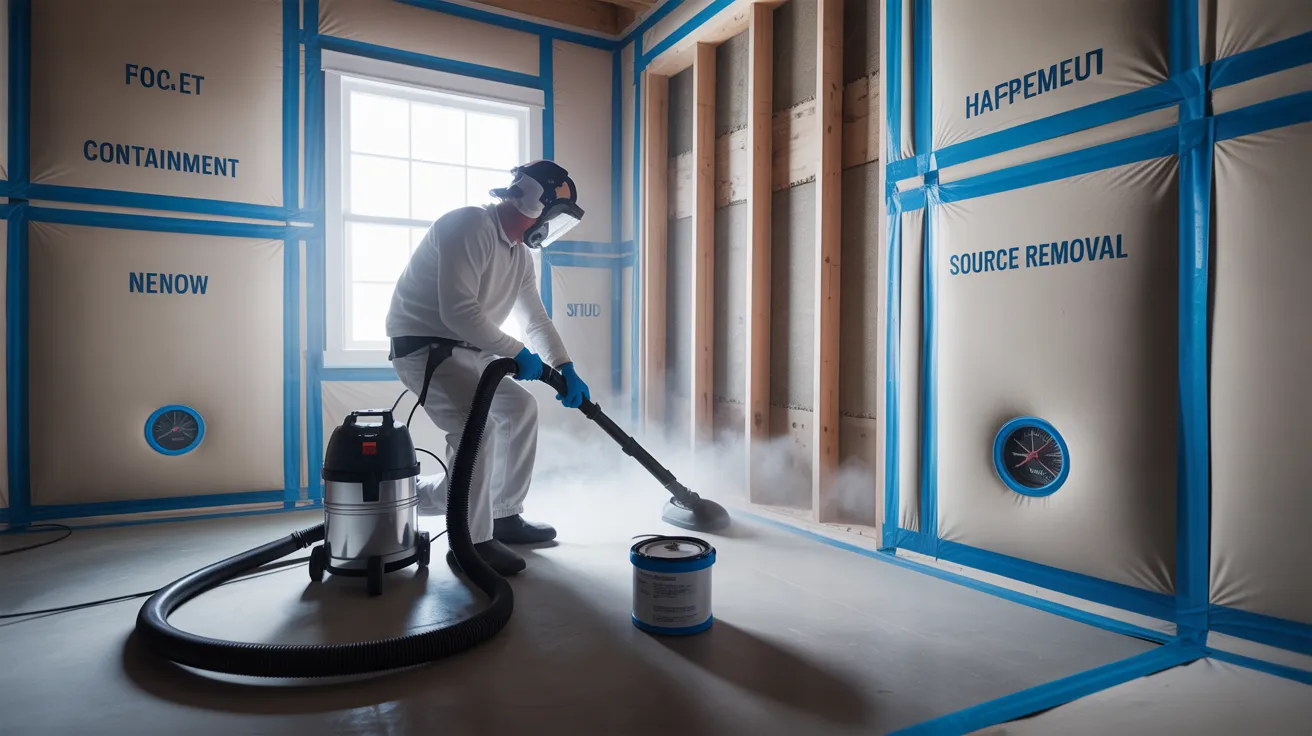
Once inspection and testing identify mold, we implement a controlled, standards-compliant remediation process. Initially, we map contaminated areas, water infiltration points, and spread patterns. Subsequently, we install containment barriers with pressure differential and HEPA filtration to prevent cross-contamination. We confirm pressure differences and airflow management with monitoring devices and smoke verification.
Our approach emphasizes source removal before encapsulation: porous materials are cut and bagged, then meticulously clean surfaces using wire-brushing, scraping, and HEPA vacuum processes. EPA-registered antimicrobials are applied according to substrate and contamination requirements. The drying process achieves target EMC levels, implementing data-logged dehumidification with balanced air circulation.
We carry out cleaning beyond the containment, incorporating vents and high‑touch areas. Post-cleanup verification consists of visual clearance, particulate metrics, and third‑party sampling as specified by regulatory guidelines or customer requirements.
Professional and Reliable Asbestos Assessment and Remediation
Before any sampling begins, you get a standards-based plan conforming to WorkSafeBC, OHS, and EPA/AHERA guidelines which outlines questionable materials, entry restrictions, and chain‑of‑custody. We assess both friable and non‑friable materials, utilize negative pressure containment, and apply specific glove‑bag or full enclosure procedures according to risk. You'll observe precise air monitoring pre‑work, during disturbance, and following remediation to verify proper fiber control.
We collect dust and bulk materials employing controlled sampling protocols, sealed containment media, and thorough custody records. Accredited experts perform microscopy analysis using polarized light or TEM, and we issue results upon testing validation establishes analytical precision and detection thresholds. During remediation, we implement dampened removal methods, filtered HEPA extraction, and controlled debris packaging with secure, labeled transportation. Final site certification integrates thorough visual examination and air quality measurement standards.
Our Safety Standards, Certifications, and Regulatory Compliance
You need assurance that qualified professionals are on site, so we keep current industry-recognized certifications (such as IICRC for mold, AHERA/NIOSH-aligned asbestos training) verified through current documentation. We comply with provincial and federal requirements, comprising WorkSafeBC, BC OHS Regulation Part 6, and pertinent federal asbestos and hazardous materials rules. We implement rigorous safety protocols-detailed hazard analysis, controlled pressure containment, air monitoring, properly fitted protective equipment, and verified completion standards.
Industry-Recognized Certifications
Although every project is different, our compliance framework remains consistent: we adhere strictly to established certifications and regulatory protocols. Our clients benefit from specialists qualified under ANSI/IICRC S520 for mold remediation, featuring detailed containment, negative pressure, and clearance criteria. Our management team possesses Asbestos Supervisor credentials, and field personnel complete hazard-awareness training conforming to current control procedures. We verify indoor air quality controls through IAQ Certification, incorporating instrument calibration, baseline sampling, and post-remediation verification.
You'll also notice Lead Accreditation displayed on our get more info profiles, validating proficiency in lead safety protocols, dust containment, and waste segregation. The team's respirator fit test documentation, medical approvals for respirator use, and chain-of-custody logs are kept for quality assurance. We systematize work with workplace risk assessments, exposure evaluation protocols, and documented training systems, making certain your site meets strict, data-driven standards.
Federal and Provincial Compliance
As compliance is non-negotiable, our programs meet British Columbia's Workers Compensation Act and WorkSafeBC OHS Regulation (Part 5 Asbestos, Part 6 Contaminants, exposure control plans), Hazardous Waste Regulation, and BC Building Code requirements, along with federal frameworks comprising the Canada Labour Code Part II, Hazardous Products Act/WHMIS 2015 (GHS), CEPA/PCB and hazardous substances provisions, and Transportation of Dangerous Goods (TDG) for waste movement. We provide verifiable documentation: exposure control plans, hazard assessments, inventory logs, chain-of-custody, and TDG shipping papers. We monitor Regulatory updates, implement harmonized SDS/labeling, and adjust instruments per manufacturer and ISO guidance. We provide permitting coordination with municipalities, landfill acceptance criteria verification, and defensible record retention. We also inform you of Funding programs that offset compliance-driven abatement and disposal costs.
Strict Safety Standards
Prior to mobilization, crews follow a documented safety management system that incorporates CSA, ANSI, and WorkSafeBC regulations into operational controls. You receive a location-based exposure control plan, risk evaluation, and isolation procedure aligned with NIOSH and EPA best practices. We ensure qualified supervision, certified respirators, and verified air monitoring instruments according to manufacturer requirements and ISO/IEC 17025 laboratory support.
You'll find negative-pressure containment with HEPA filtration validated against IEST standards, lockout/tagout procedures for HVAC, and waste disposal protocols under TDG. We utilize safety equipment requirements scaled to hazard levels: half-face and full-face APRs, P100 filters, single-use coveralls, and decon protocols with separated clean and dirty zones. We document custody tracking, daily clearance monitoring, and completion testing against WorkSafeBC exposure limits and final clearance standards.
Fast Emergency Response and Insurance Assistance
Respond promptly when water, fire, or structural damage poses a threat to indoor air quality-early intervention and containment measures limit mold growth and asbestos disturbance. You'll benefit from emergency triage that emphasizes life safety, utility isolation, and hazard zoning, followed by pressure differential controls, HEPA filtration, and appropriate water category evaluation to inform material removal. Technical specialists collect verifiable moisture and particulate readings, identify suspect ACM, and, where needed, halt work for bulk sampling under regulatory agency thresholds.
We quickly deploy a claims specialist who aligns assessment details, photography, evidence management, and cost calculations according to policy specifications, deductible amounts, and coverage conditions. We coordinate property assessments, generate progress documents, and keep regulatory records. You obtain precise timeframes, clear cost breakdowns, and well-documented remediation processes that facilitates insurance acceptance.
Long‑Term Moisture Control and Prevention Methods
Although quick remediation addresses acute risk, durable outcomes hinge on managing moisture sources and stopping conditions supporting fungal proliferation and asbestos particles. You'll need to implement a multi-faceted plan: improve slope and water flow, seal foundation penetrations, and maintain structural waterproofing. Use ongoing moisture tracking to maintain interior RH at 40-50%; integrate smart sensors with warnings and performance monitoring. Deploy balanced ventilation and HRVs, validate ACH through air exchange verification, and secure ductwork. Apply properly rated vapor barriers on the warm-in-winter side per BCBC guidance; combine with exterior rain screens and capillary breaks. Cover cold surfaces to eliminate condensation. Include sump systems with anti-backup measures. Record setpoints, service intervals, and chain-of-custody for records. Review controls seasonally and post-construction.
Questions & Answers
What Should You Know About Our Post-Remediation Warranties and Guarantees
Our warranty coverage includes designated areas post-remediation, with warranty terms dependent on addressing root causes and following IICRC S520 protocols. We provide documentation, clearance results, and scheduled post-remediation inspections to confirm successful treatment and protocol adherence. Should issues return within the warranty timeframe and the original issue was resolved, you'll get free inspection and specific reprocessing. Exclusions apply to fresh water damage or changed circumstances. You may obtain independent validation to ensure compliance documentation.
What Payment Plans and Financing Options Do We Offer for Large Projects?
We provide numerous payment options while maintaining compliance and clarity. Our financing plans feature set annual percentage rates including zero early payment fees and detailed amortization schedules. You can utilize payment disbursements linked to milestone inspections, as well as ACH or credit card payments, plus healthcare spending accounts when eligible. We conduct thorough verification of personal details, earnings, and work specifications, adhere to lending disclosure guidelines, and offer digital document execution. Pre-approval results usually arrive in moments, subject to final underwriting.
How Long Will We Need to Vacate During Construction?
You're expected to need temporary accommodations during remediation work. For asbestos, regulatory requirements mandate proper containment, pressure control, and final air sampling; anticipate being away for 1-3 days for limited zones, 3-7+ days for extensive remediation. For mold, IICRC S520 calls for isolation and HEPA remediation; you may remain if containment is secure, but alternative housing should be considered for people with health concerns. The duration depends on scope of affected area, material conditions, and lab result turnaround.
How Are Pets and Personal Items Protected During the Remediation Process?
We secure your pets and personal possessions by implementing isolated work zones, arranging pet relocation, and safely storing belongings. Picture it like a professionally coordinated beehive transfer - methodical and managed. We coordinate pet relocation to temporary shelter or a sealed safe room with advanced HEPA filtering. For belongings protection, we carefully bag non-porous goods, dispose of affected porous objects, and record detailed chain-of-custody. Our trained professionals comply with EPA/OSHA and IICRC S520 guidelines: utilizing negative pressure, installing polypropylene barriers, constructing decontamination chambers, and verifying proper air exchange before permitting access.
Can You Help With Permits and Strata Approvals?
Yes. We take care of permit coordination and strata liaison throughout the entire process. We assess requirements, identify relevant regulations, and develop compliant submissions (drawings, MSDS, abatement plans). We acquire required authorizations, arrange for official inspections, and keep comprehensive records. For strata, we align with bylaws, submit information packages, participate in strata meetings, and secure written approvals. You get a clear timeline, regular updates, and authorizations, guaranteeing compliance with regulations, reduced interference, and defensible project records.
Final Thoughts
Act now to secure your health, property, and regulatory compliance. If you discover signs of water damage, discoloration, or suspicious substances, schedule testing and remediation before small concerns become significant challenges. Our team follows CSA, IICRC S520, and WorkSafeBC standards, implementing negative pressure and HEPA filtration, while recording every stage for insurance purposes. You'll receive quick response times, certified chain-of-custody lab results, and comprehensive post-remediation verification. Prevent future issues through adequate moisture control, enhanced ventilation systems, and regular inspections-keeping issues at bay.